A coordinated platform for development in Uganda.
IDPN is a non-profit, non-political and non-partisan network established to promote sustainable socio-economic development, humanitarian assistance, education, healthcare, environmental sustainability, peacebuilding and community empowerment.
Why the Network was established
IDPN was established in Uganda in recognition of the need for a coordinated platform that brings together civil society organisations, faith-based institutions, community-based organisations, professional associations, development partners, academic institutions, government agencies, the private sector and individual professionals.
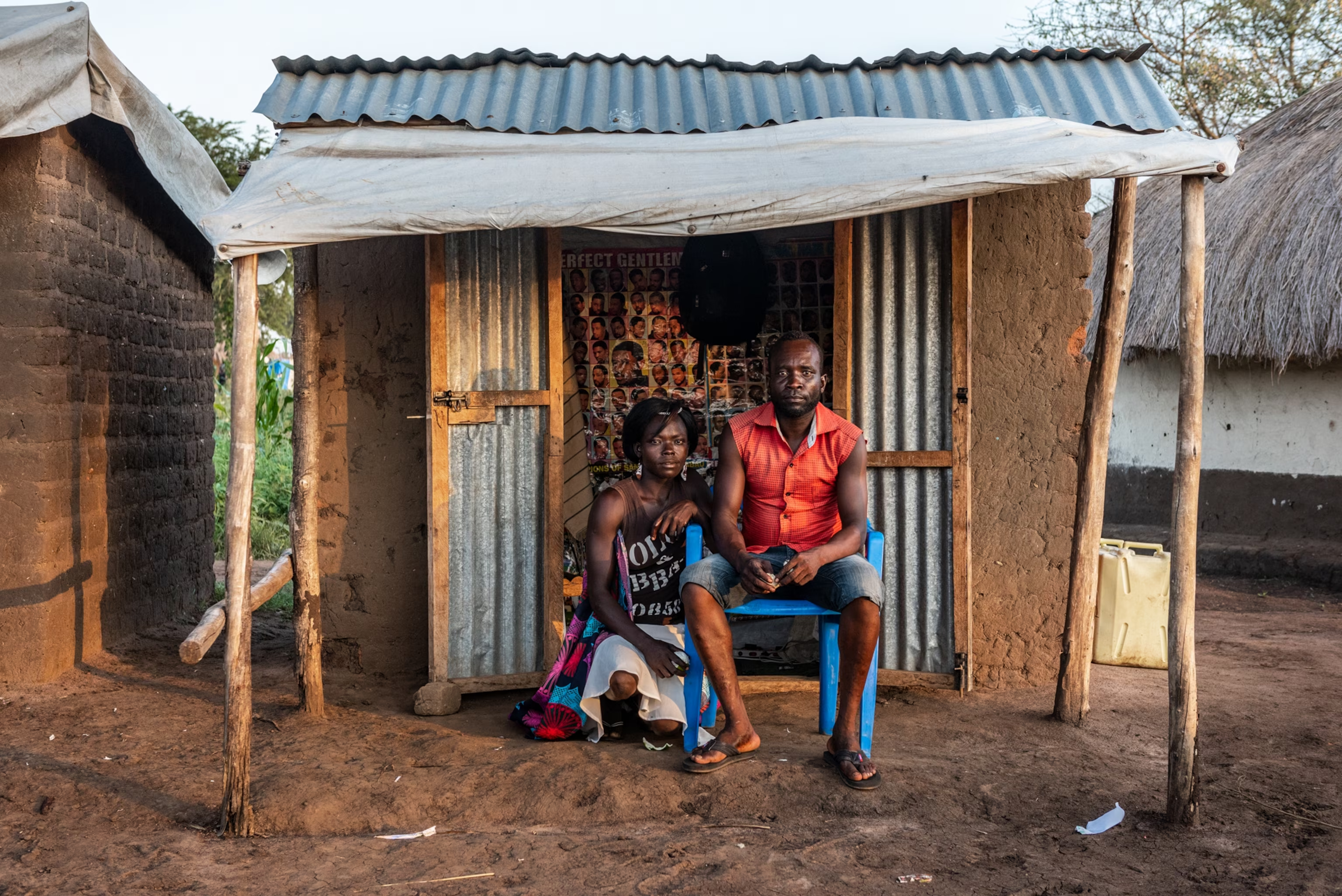
Despite significant progress in Uganda’s development, many communities still face poverty, unemployment, food insecurity, inadequate healthcare, limited access to quality education, climate change, environmental degradation, poor water and sanitation services, and the growing vulnerability of women, youth, children, persons with disabilities, refugees and older persons.
Many community organisations and faith-based institutions also operate with limited technical capacity, inadequate coordination, weak resource mobilisation and insufficient collaboration with government and development partners. There is further untapped potential in Islamic social finance, including Zakat, Sadaqah and Waqf, to complement national development efforts and humanitarian response.
The Network exists to mobilise expertise, resources and partnerships so that community initiatives are stronger, service delivery is better, and development is inclusive and sustainable.
The Network is guided by the universal ethical values of Islam, and serves everyone.
These values inspire a commitment to integrity, accountability, service and human dignity. IDPN serves all people equally, regardless of religion, ethnicity, gender, political affiliation, nationality, disability or social status, in full compliance with the Constitution and laws of the Republic of Uganda.
- AdlJustice
- Programmes are designed so that benefit reaches the people with the least, not the people who are easiest to reach.
- AmanahTrust
- Every shilling, donation and asset placed with the Network is held on behalf of the community it was given for.
- ShuraConsultation
- Communities, elders, local government and partners shape an intervention before it is designed, not after.
- RahmahCompassion
- The work begins with the household in front of us: the widow, the orphan, the displaced family, the patient without a clinic.
- IhsanExcellence
- Work is done to a standard we would accept for our own families, and it is documented so it can be verified.
- MaslahahPublic welfare
- Interventions are judged by the lasting public good they create, not by how visible they are.
Inspired by Islamic ethics. Open to everyone.
IDPN does not participate in partisan politics or political campaigns. It operates solely to advance humanitarian, social, educational, health, environmental and economic development objectives under Ugandan law.
Although inspired by Islamic ethical principles, the Network is not an exclusive Muslim organisation. Membership is open to individuals and institutions that subscribe to its objectives and values, irrespective of religion, ethnicity, gender or political affiliation.
That commitment shows in the structure itself. The Health Department is headed by a Christian professional, and Christian and Muslim members work together alongside government institutions, civil society organisations and development partners.
Ten development gaps the Network was formed to close
- Persistent poverty, unemployment and limited livelihood opportunities, particularly among vulnerable households.
- Limited access to quality education, healthcare, clean water, sanitation, nutrition and other essential social services.
- Weak institutional capacity among community-based organisations, faith-based institutions and local development actors.
- Inadequate coordination among development stakeholders, resulting in duplication of effort and inefficient use of resources.
- Food insecurity, low agricultural productivity, environmental degradation and the impacts of climate change.
- Limited opportunity for women, youth, persons with disabilities, refugees and marginalised communities to participate meaningfully in development.
- Inadequate preparedness for humanitarian emergencies, disasters, disease outbreaks and climate-related shocks.
- Limited investment in research, innovation, digital transformation, media for development and evidence-based policy advocacy.
- Underutilisation of Islamic charitable and social finance mechanisms in sustainable community development.
- The need to strengthen peacebuilding, social cohesion, ethical leadership, accountability and good governance.
What the Network commits to
IDPN works collaboratively with the Government of Uganda, local governments, development partners, civil society organisations, religious institutions, academic institutions, the private sector and communities. Through partnership, innovation, transparency, accountability and inclusive participation, the Network works to build resilient, peaceful, healthy and prosperous communities where every person can live with dignity.
- Non-profit, non-political and non-partisan
- Serves all people regardless of religion, ethnicity, gender or status
- Operates under the Constitution and laws of the Republic of Uganda
Programming aligns to
- Uganda's national development priorities
- Programming is designed to contribute to national plans and sector priorities.
- The Sustainable Development Goals
- Interventions map onto the SDG targets on poverty, health, water, education and climate.
- African Union Agenda 2063
- Work contributes to the continental agenda for inclusive growth and sustainable development.