Ongoing
Water and sanitation
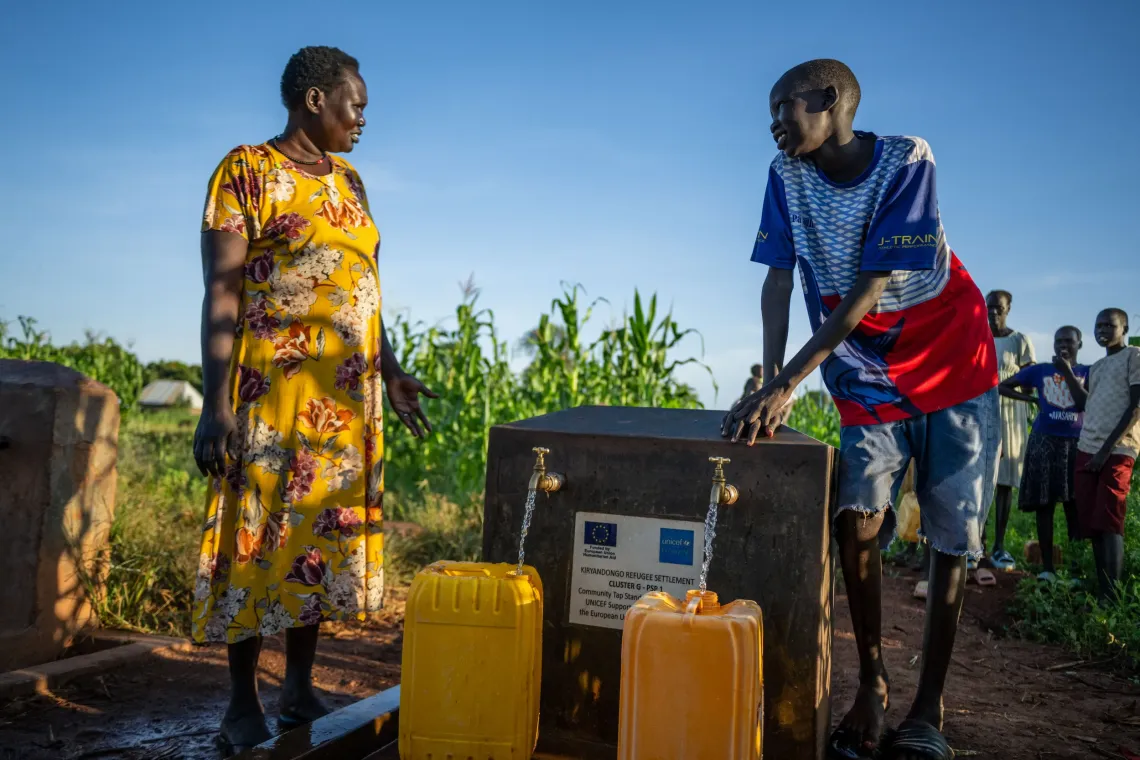
Clean water and borehole development
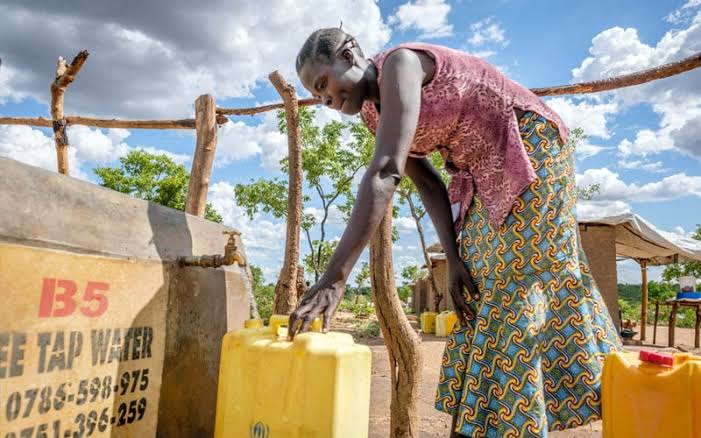
Water sources for communities, mosques, schools and health facilities where a safe supply is still a long walk away.
West Nile and partner communities
IDPN brings civil society, faith institutions, government and development partners together to deliver sustainable development across Uganda.
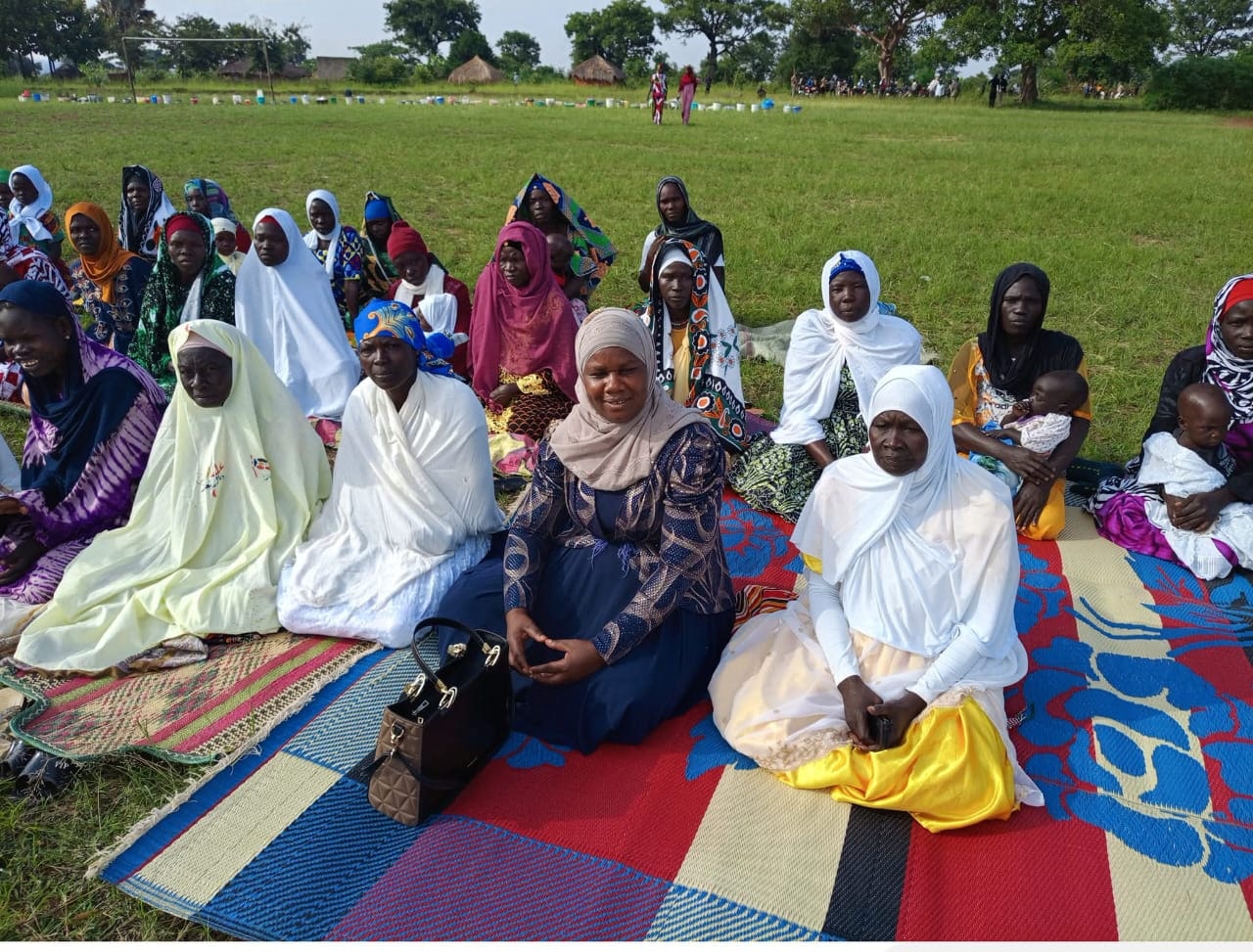
A community session in Yumbe District on preventing domestic violence and raising health awareness.
16
areas of intervention
from WASH to Islamic social finance
6
programme pillars
grouping how the work is delivered
9
leadership members
founding members and department heads
3
frameworks aligned to
Uganda's plans, the SDGs, Agenda 2063
Community organisations, faith institutions and professional associations across the country carry real capability. What they often lack is a platform that connects them to each other, to government, and to the partners who fund the work.
IDPN was established to be that platform. The Network is guided by the ethical values of Islam, and it serves all people equally, regardless of religion, ethnicity, gender, political affiliation, nationality, disability or social status.
Justice
Programmes are designed so that benefit reaches the people with the least, not the people who are easiest to reach.
Trust
Every shilling, donation and asset placed with the Network is held on behalf of the community it was given for.
Consultation
Communities, elders, local government and partners shape an intervention before it is designed, not after.
Compassion
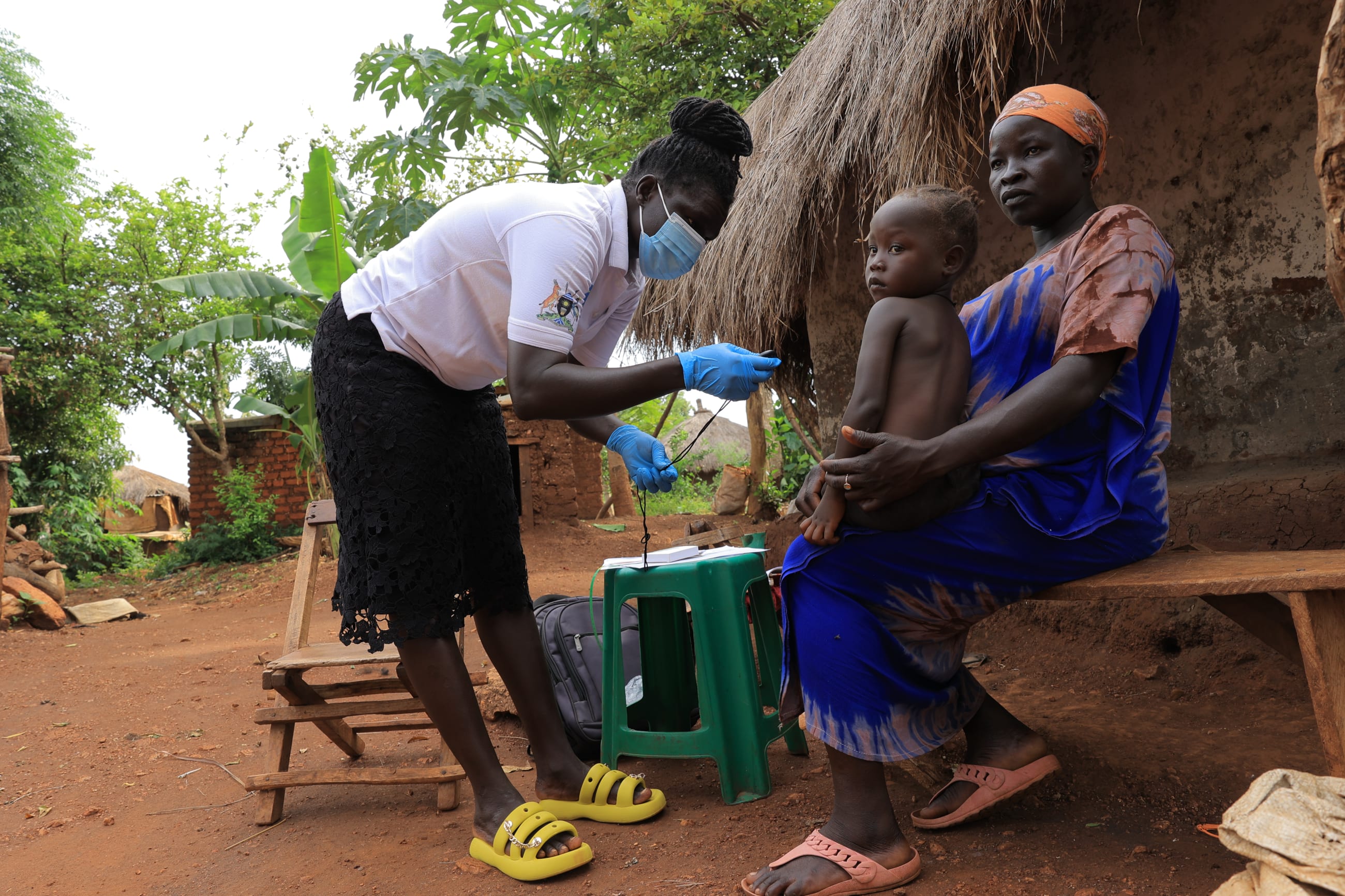
The work begins with the household in front of us: the widow, the orphan, the displaced family, the patient without a clinic.
Excellence
Work is done to a standard we would accept for our own families, and it is documented so it can be verified.
Public welfare
Interventions are judged by the lasting public good they create, not by how visible they are.
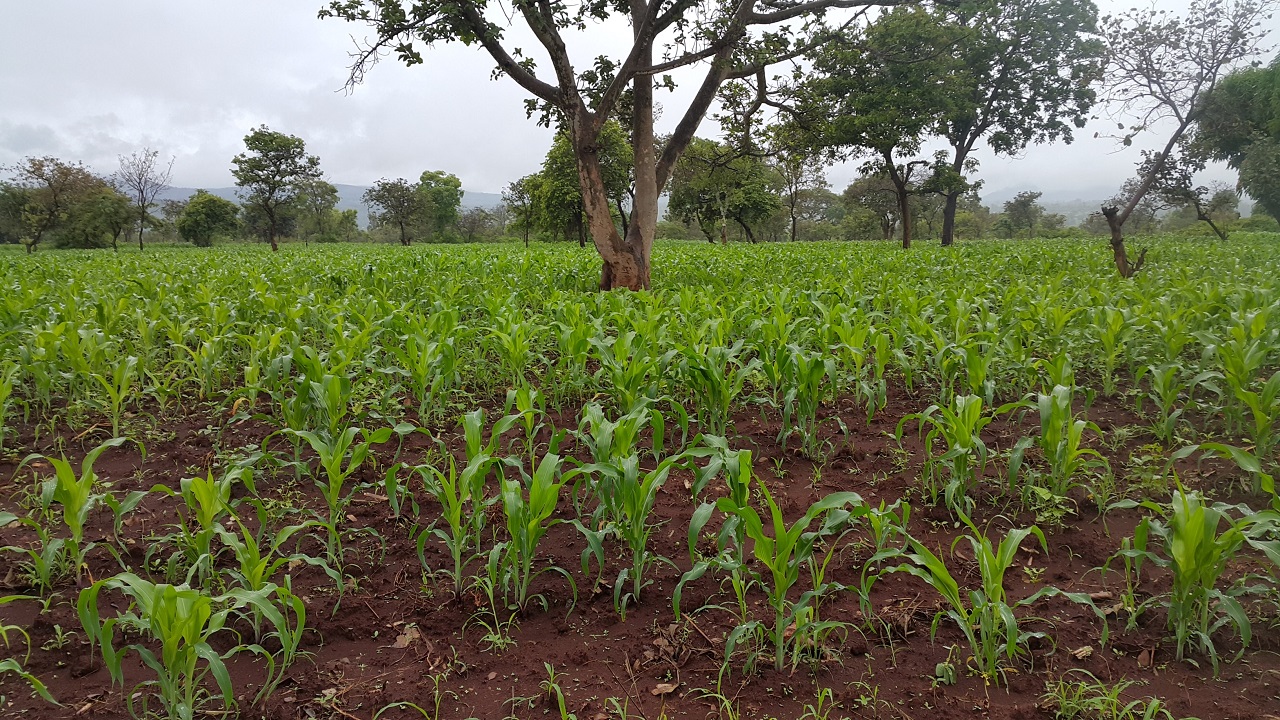
Raising household income and putting food on the table through better farming and organised saving.
ExplorePrevention, awareness and safe water, delivered where the nearest facility is a long walk away.
ExploreLearning that leads somewhere, and community organisations strong enough to keep delivering.
Explore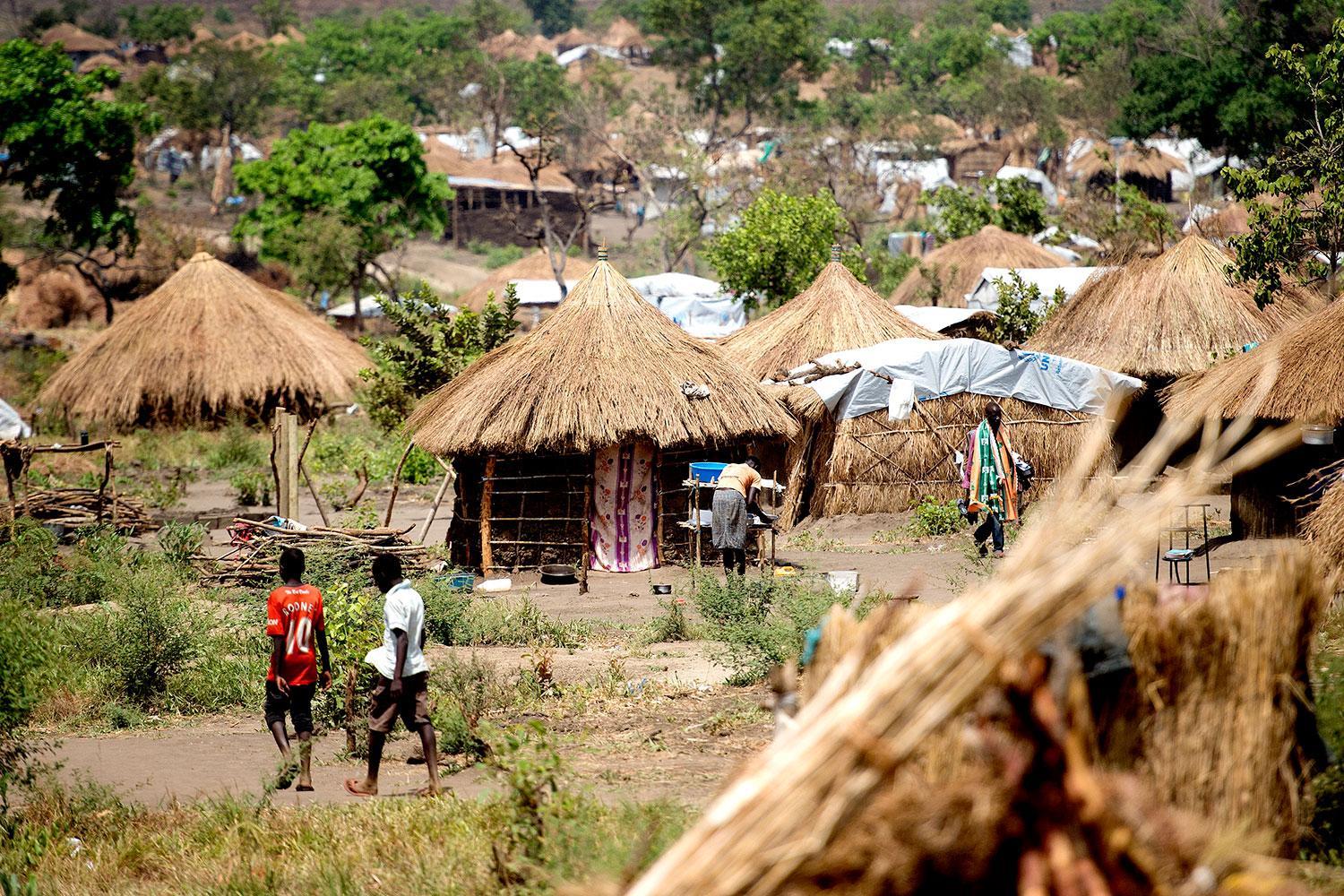
Standing with refugees, orphans, women and persons with disabilities when shocks hit hardest.
Explore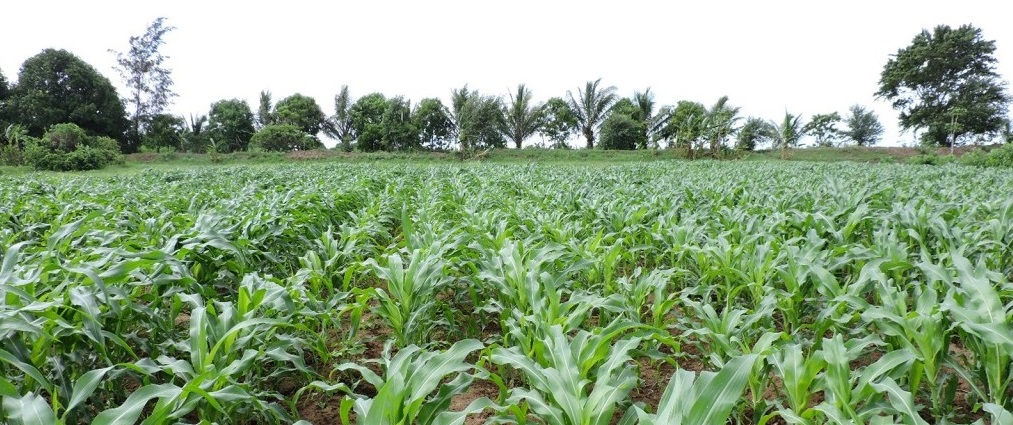
Farming that survives a longer dry season, and the water points and buildings a community keeps.
Explore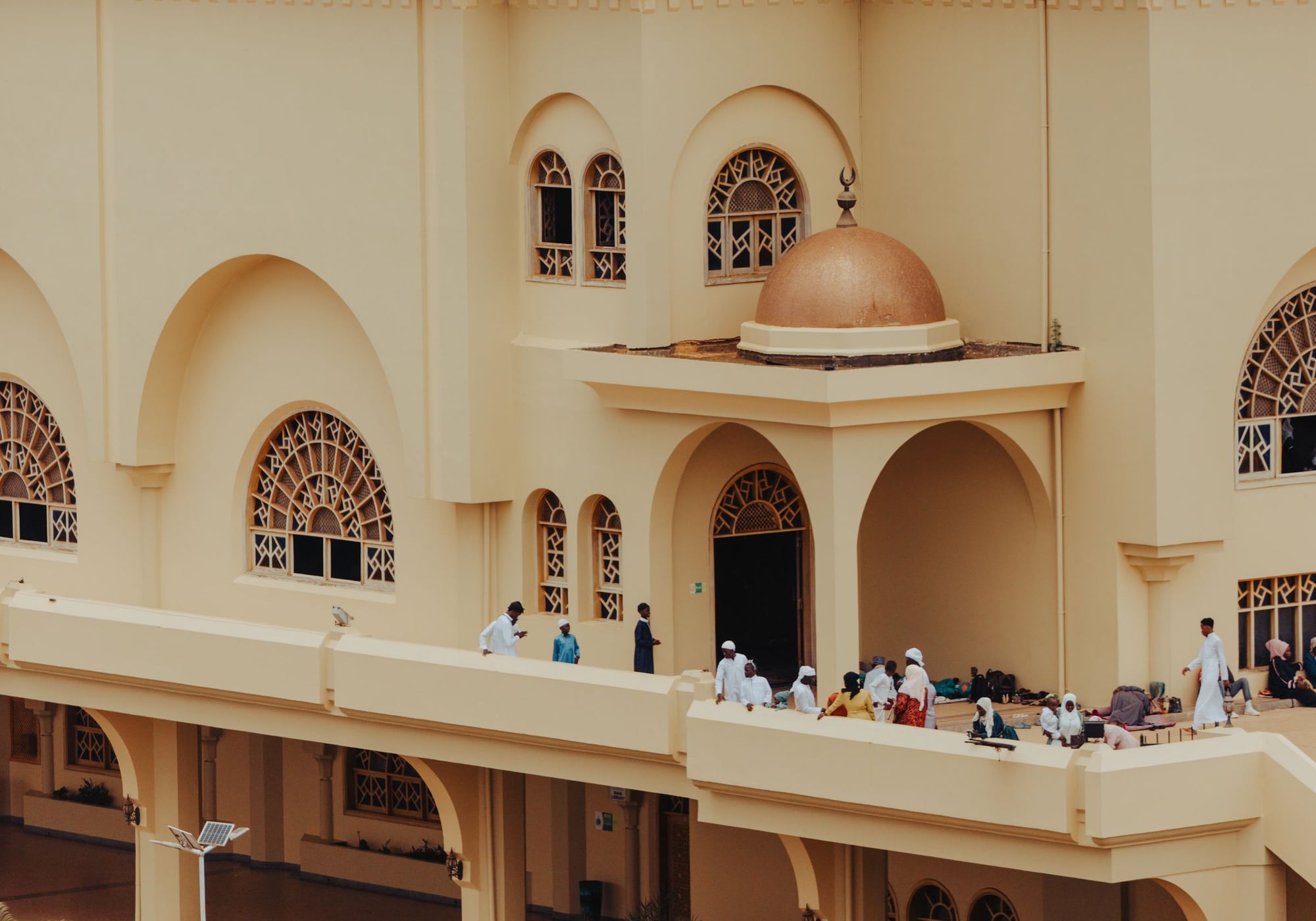
Dialogue, honest measurement and charitable giving turned into structured development.
Explore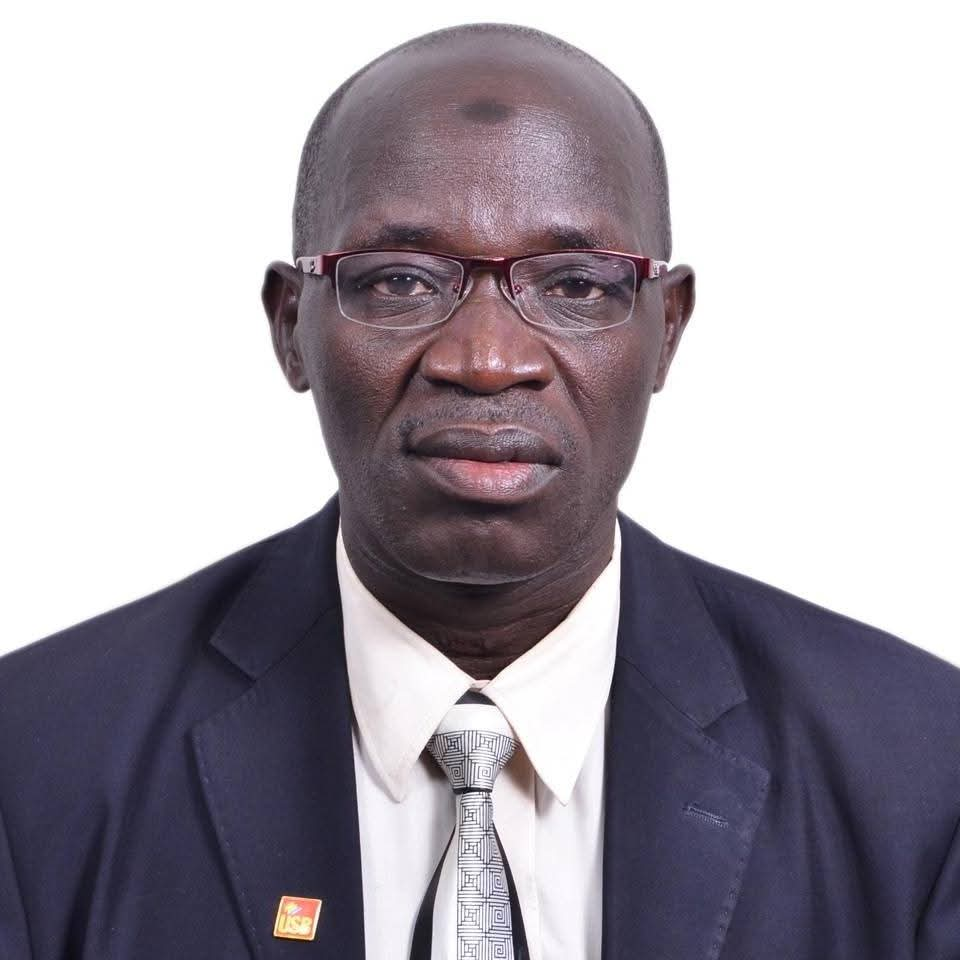
Director and Chief Executive Officer
Journalist, community leader and progressive farmer who sets the Network's strategic direction.
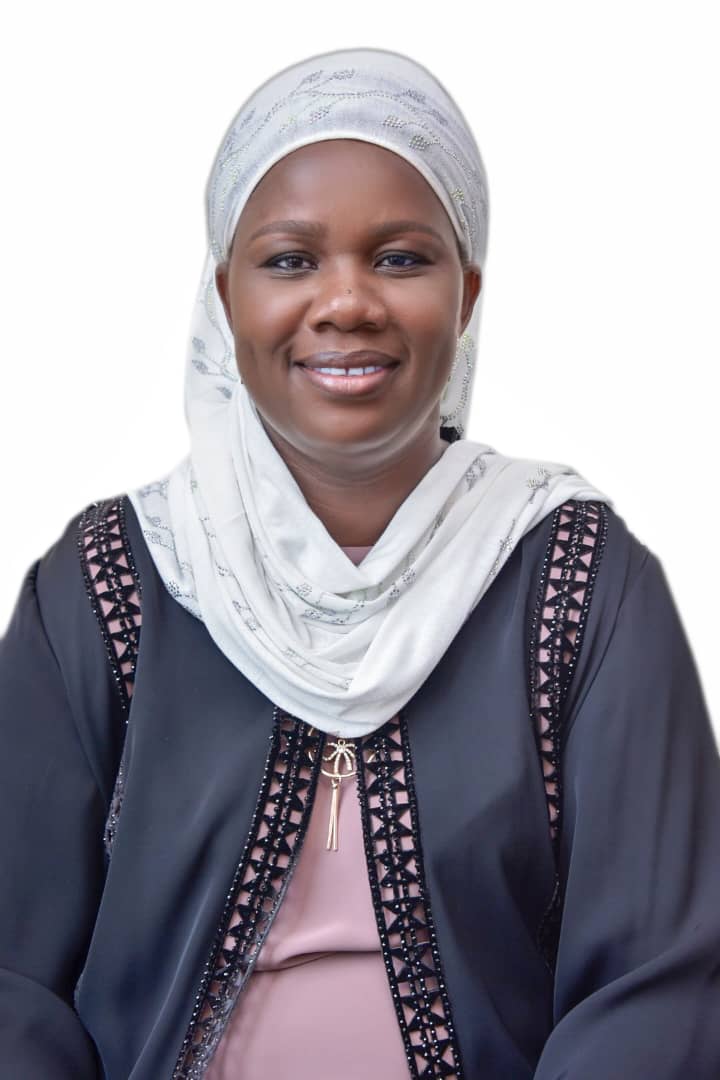
Founding Member and Patron
Educationist and legislator who champions the Network's work on education and inclusion.
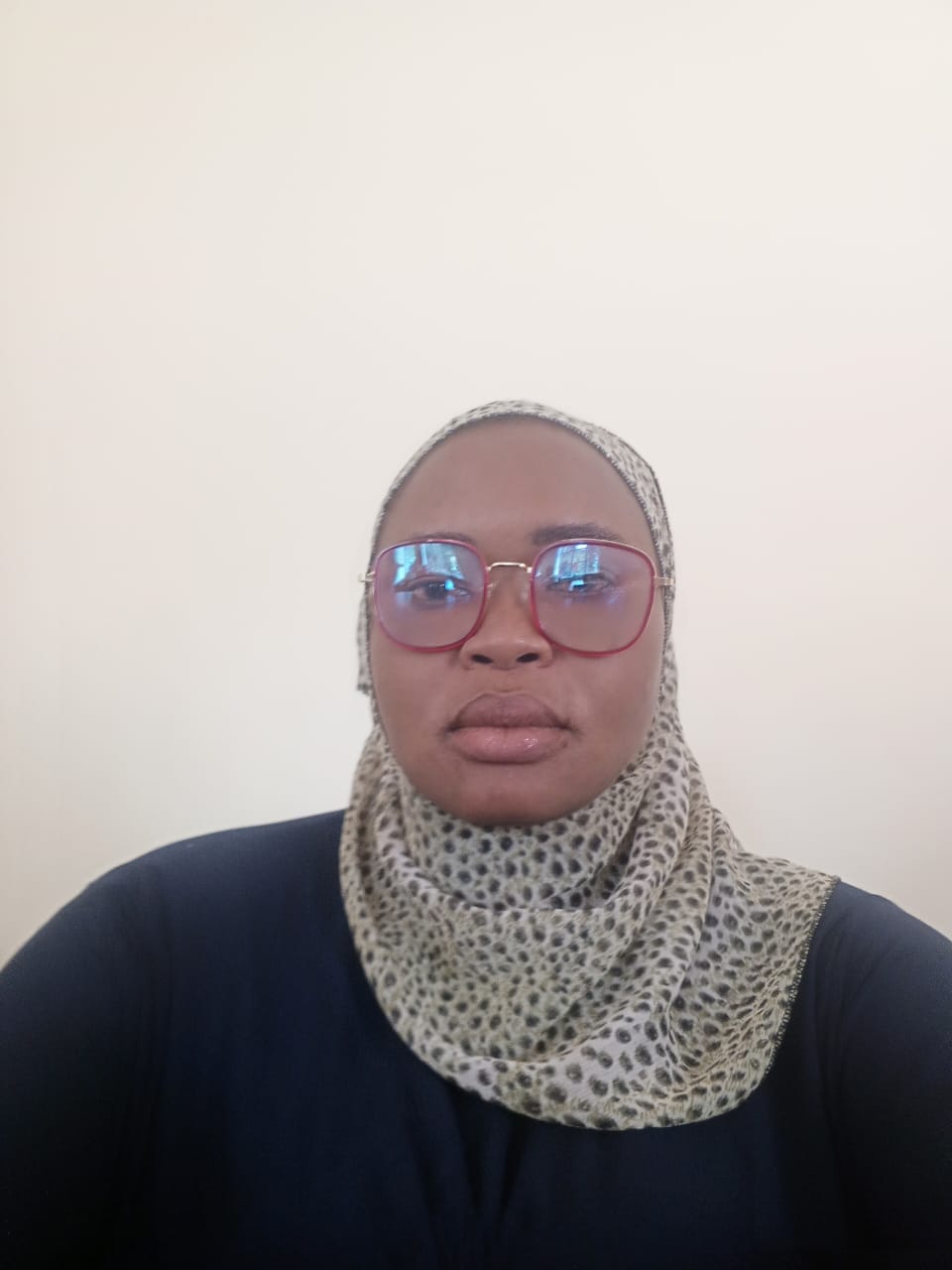
Secretary and Founding Member
Academic and procurement specialist who holds the Network's governance and administrative systems.
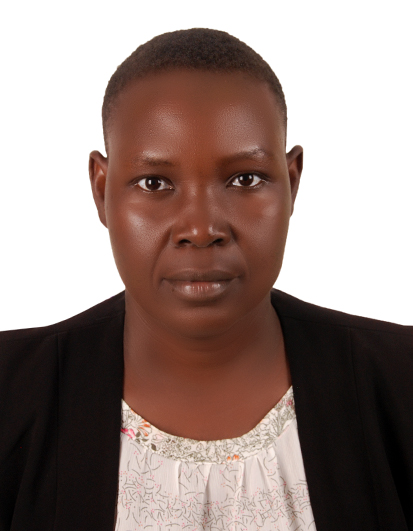
Head of Health Department
Registered nurse leading the Network's health programmes and community health interventions.
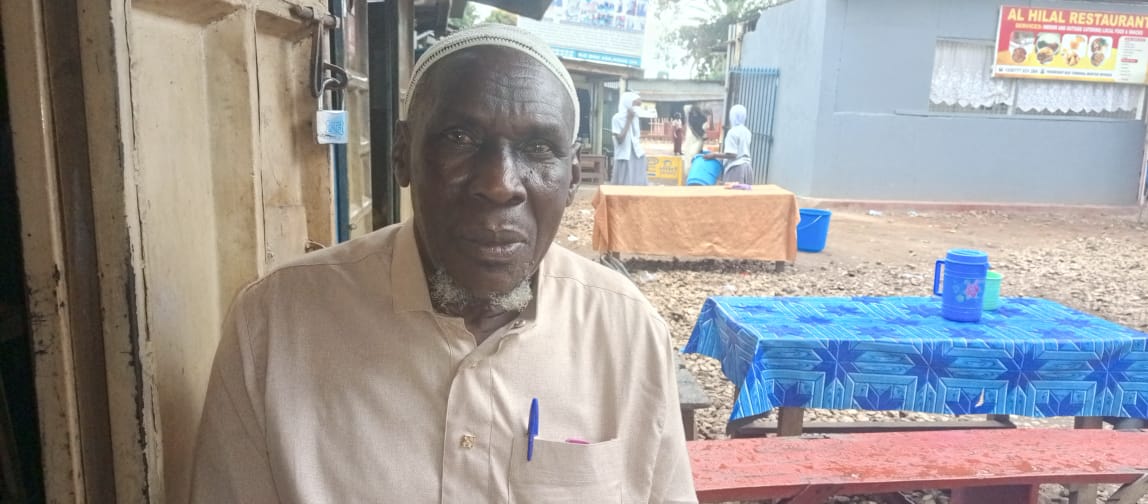
Head of Muslim Projects
Amir coordinating water, mosque, orphan support and seasonal relief programmes.
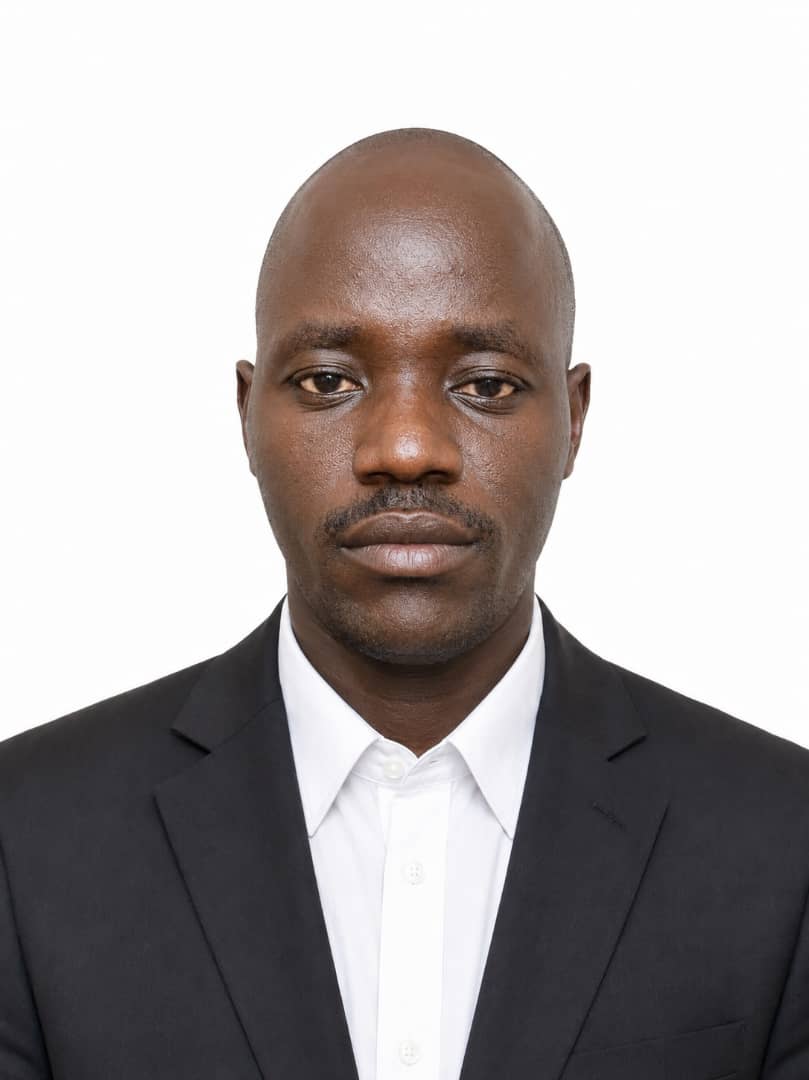
Head of Information Technology and Communications
Leads the Network's digital systems, communication platforms and information management.
Membership is open to individuals and institutions that share the objectives of the Network, irrespective of religion, ethnicity, gender or political affiliation.
P.O. Box 341810, Uganda. Field operations across West Nile, Yumbe District and partner communities across Uganda.