Sixteen areas of work, grouped into six pillars.
Programmes run where the need is sharpest, and where the Network can bring partners together to do more than any one organisation could alone.
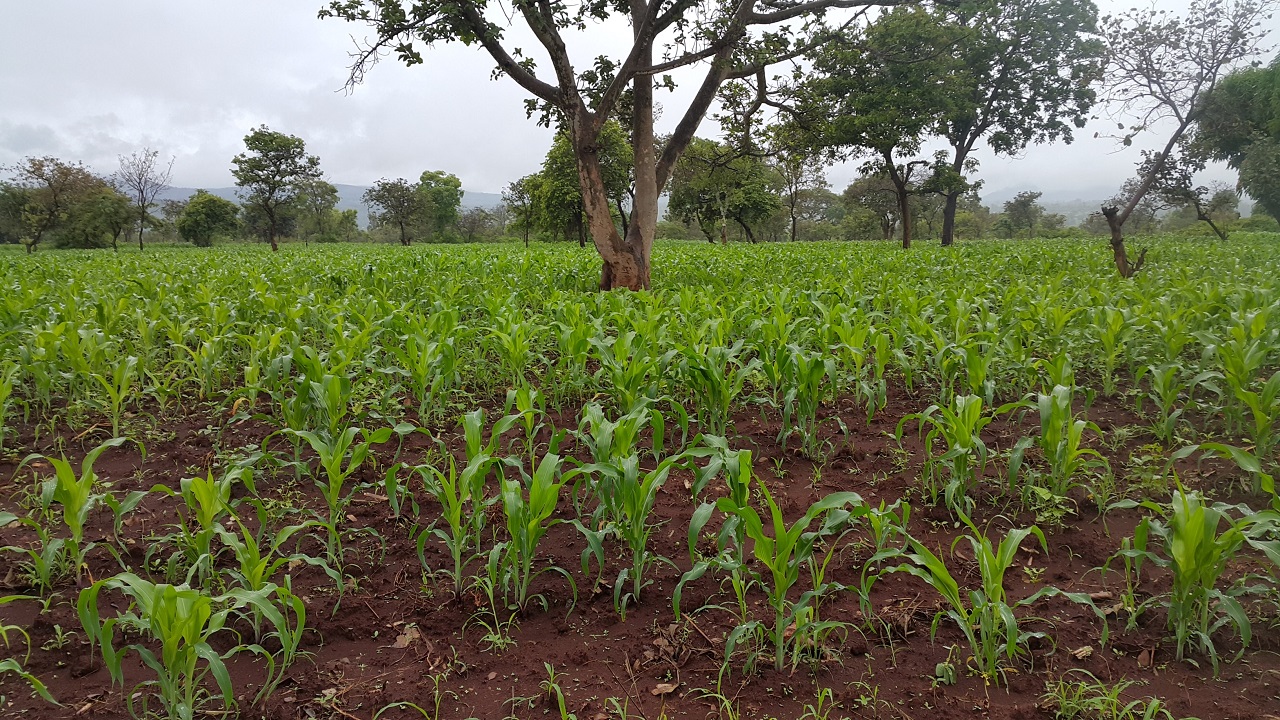
Livelihoods and food security
Raising household income and putting food on the table through better farming and organised saving.
Community development and poverty reduction
Household-level livelihood support, savings groups and income generation for the most vulnerable families.
Agriculture, food security and sustainable livelihoods
Improved planting material, climate-smart practice, value addition and market access for smallholder farmers.
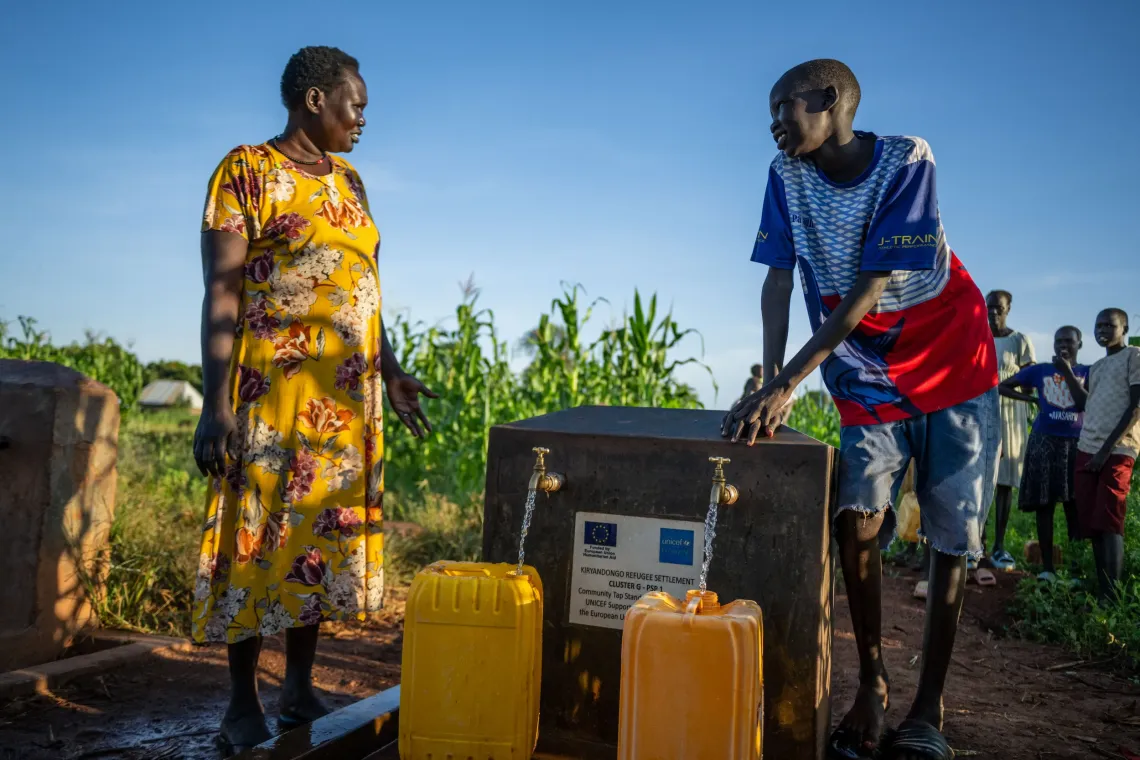
Health, water and sanitation
Prevention, awareness and safe water, delivered where the nearest facility is a long walk away.
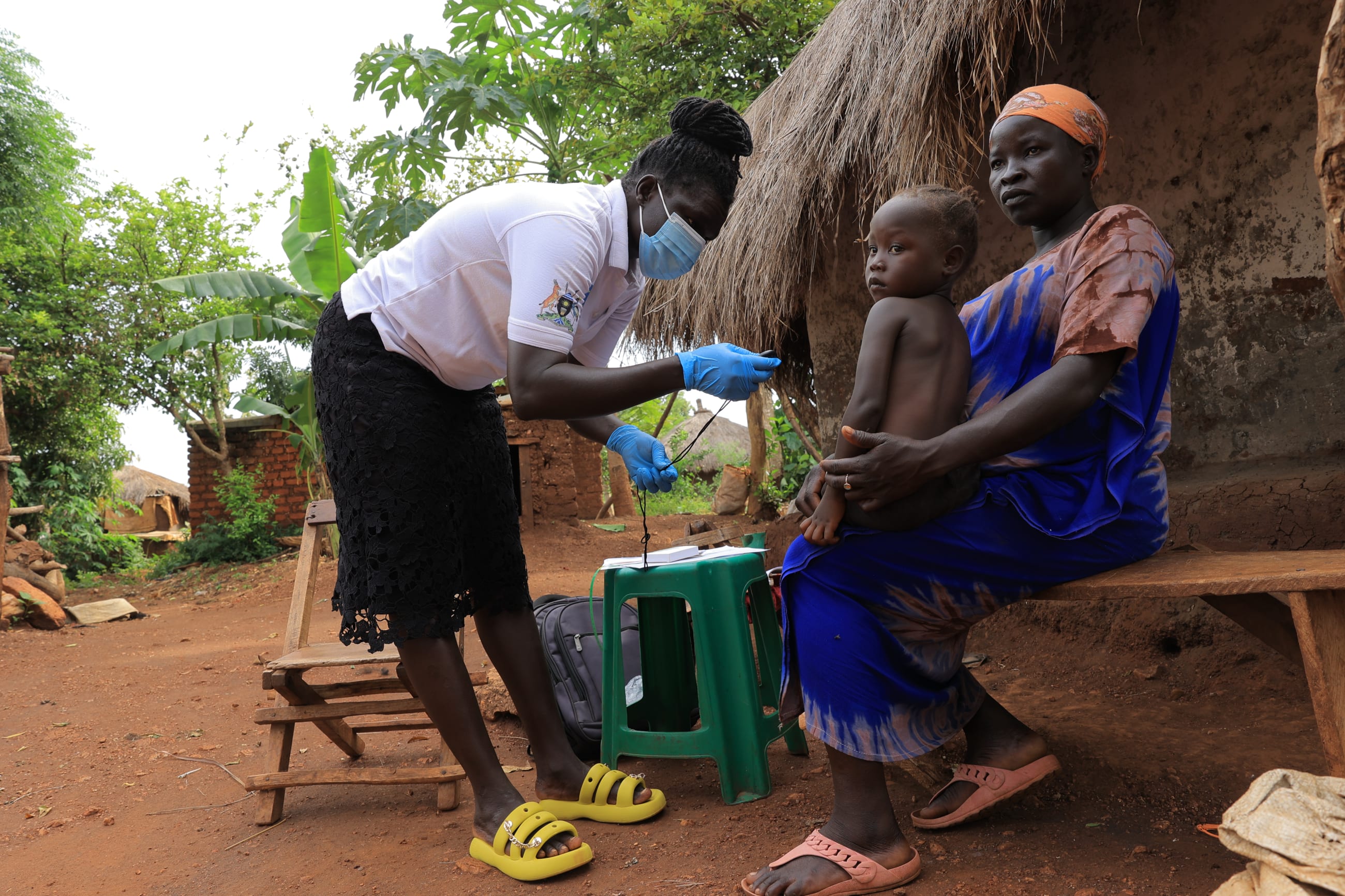
Healthcare, nutrition and mental health promotion
Preventive health education, nutrition support, disease awareness and referral to quality health services.
Water, sanitation and hygiene
Boreholes, tapstands and hygiene promotion for communities, mosques, schools and health facilities.
Education, skills and institutions
Learning that leads somewhere, and community organisations strong enough to keep delivering.
Education, literacy and vocational skills development
Access to quality learning, adult literacy, mentorship and practical skills that lead to work.
Institutional strengthening and leadership development
Building the technical capacity, governance and resource mobilisation of community and faith-based organisations.
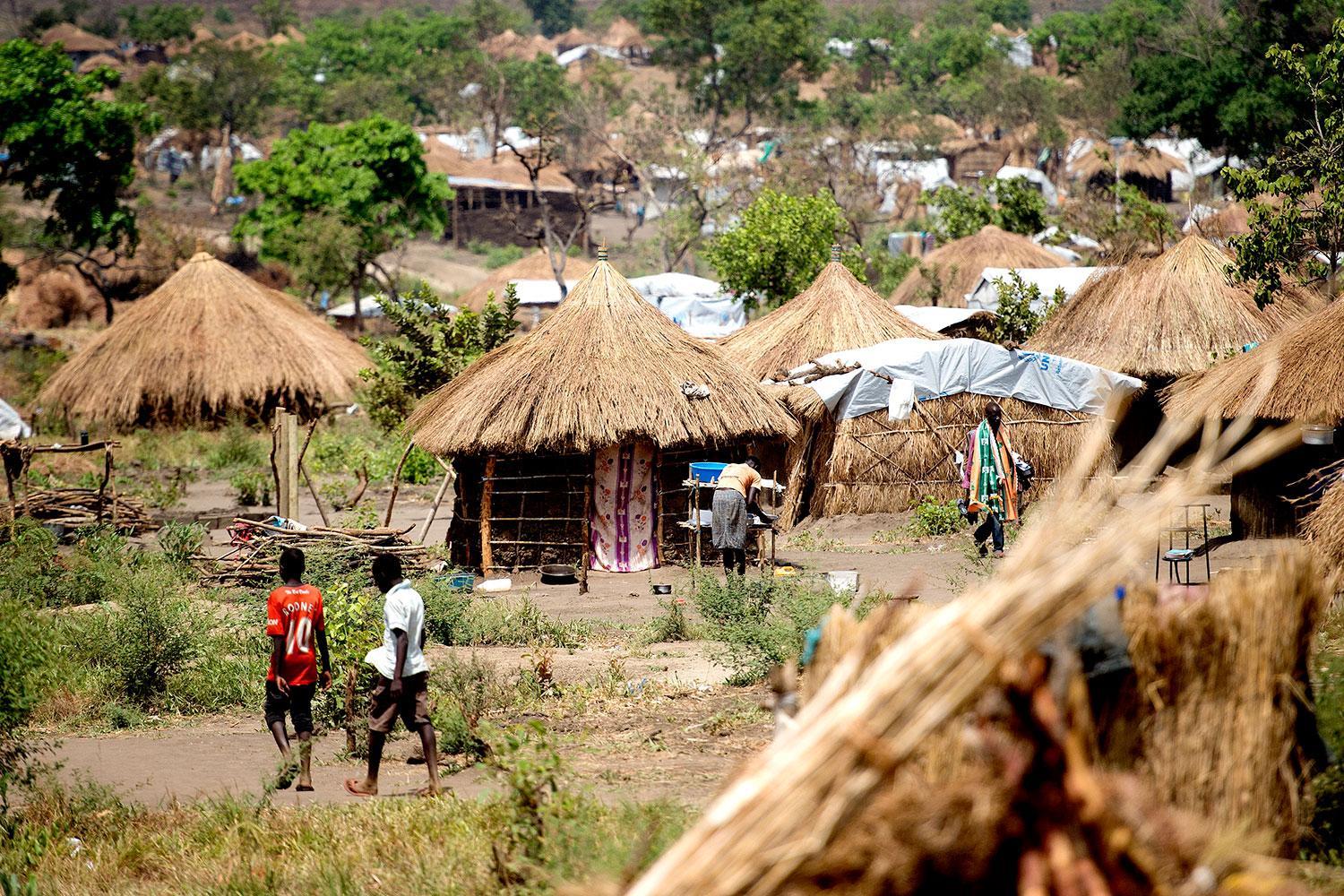
Protection and humanitarian response
Standing with refugees, orphans, women and persons with disabilities when shocks hit hardest.
Humanitarian assistance and emergency response
Preparedness and relief for disasters, disease outbreaks, displacement and climate-related shocks.
Child protection and support for orphans
Care, schooling and household support for orphans and other children living in vulnerable conditions.
Refugee support and social protection
Programmes with refugee and host communities in West Nile, and social protection for older persons.
Women, youth and disability inclusion
Economic empowerment for women, opportunity for young people and meaningful participation for persons with disabilities.
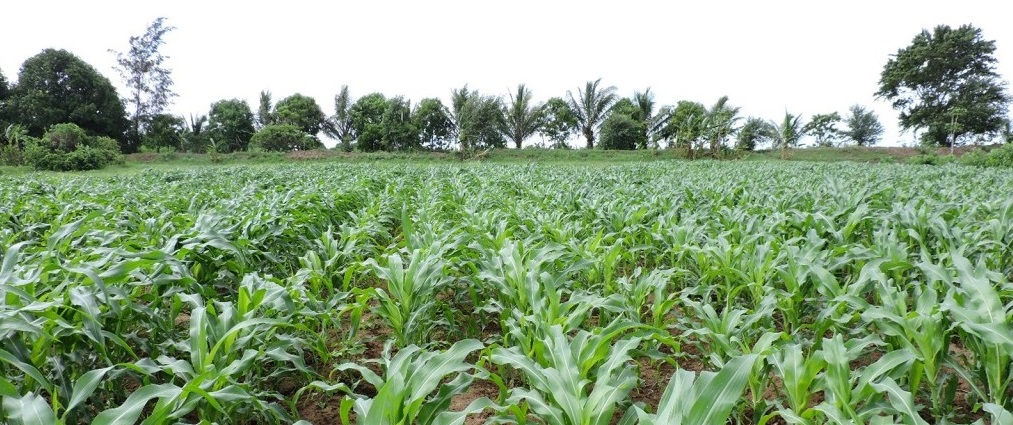
Climate, environment and infrastructure
Farming that survives a longer dry season, and the water points and buildings a community keeps.
Climate adaptation, conservation and renewable energy
Drought-resilient farming, tree cover, water management and clean energy for rural households.
Community infrastructure development
Schools, health facilities, water systems, mosques and community centres built with local ownership.
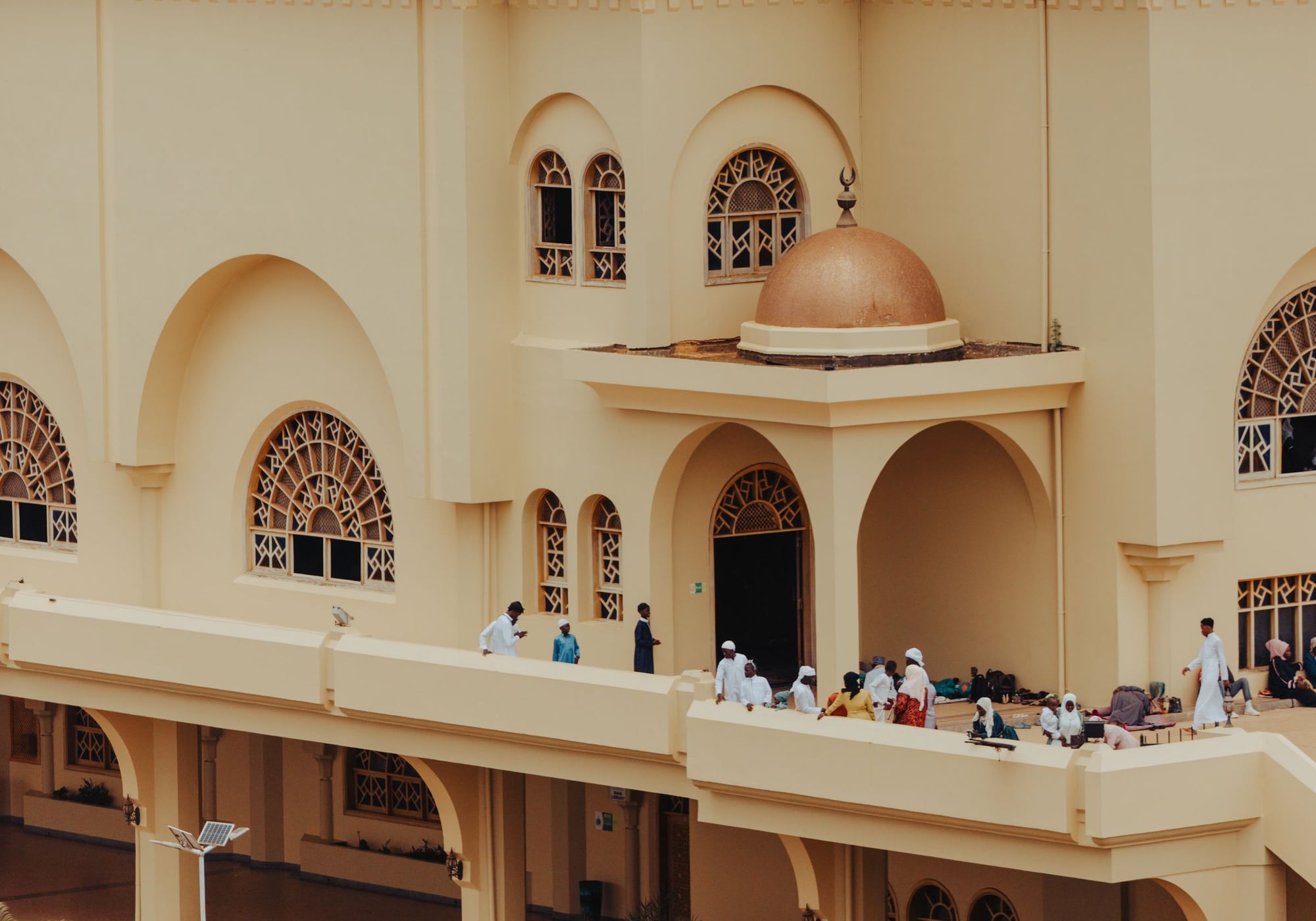
Peace, evidence and Islamic social finance
Dialogue, honest measurement and charitable giving turned into structured development.
Peacebuilding, dialogue, mediation and social cohesion
Bringing faith leaders, elders and young people together to resolve disputes and hold communities together.
Research, innovation, monitoring, evaluation and learning
Evidence that shows what worked, what did not, and what should be funded next.
Media development, communication and digital transformation
Communication for development, public awareness campaigns and digital tools for community organisations.
Every area above needs partners, funding or technical capacity.
Tell us which one matters to your institution and we will show you what is running now and where the gaps are.