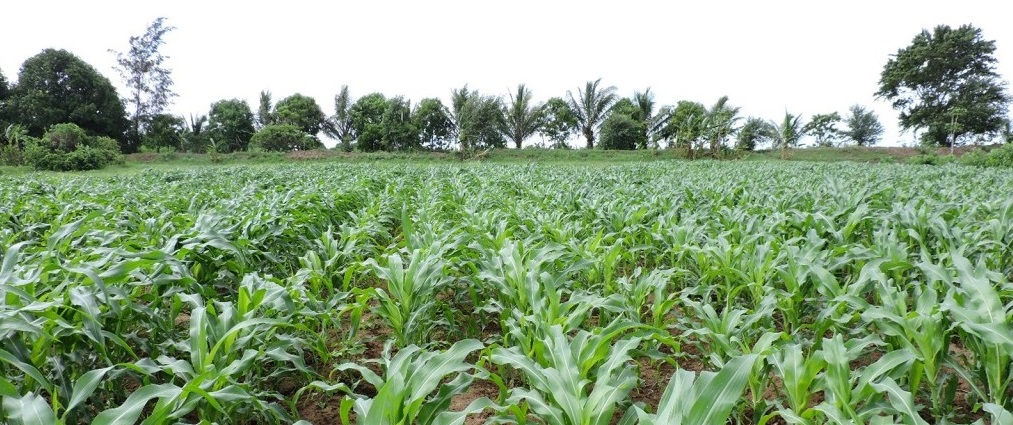
Agriculture remains one of the key areas of focus for the Islamic Development Partnership, with the organisation committed to promoting sustainable farming practices, improving food security and supporting farmers to enhance their livelihoods. As part of this commitment, the organisation has invested in agro-farming initiatives aimed at empowering communities through the provision of improved crop varieties and agricultural support.
Among the major interventions undertaken was the establishment of a variety of crop seedlings, including coffee and cocoa, intended for distribution to farmers across the West Nile region. The initiative was designed to encourage farmers to diversify their agricultural activities, increase household incomes and create sustainable sources of livelihood through cash crop production.
The introduction of coffee and cocoa farming was seen as an important step toward strengthening the agricultural sector in the region by providing farmers with crops that hold long-term economic value. Through this programme, farmers were expected to benefit from increased opportunities for income generation while contributing to the growth of agro-based enterprises within their communities.
However, the project faced a major setback due to prolonged drought conditions that affected the survival and growth of the seedlings. The extended dry season created unfavourable conditions for the young plants, resulting in significant challenges in maintaining the nursery before the seedlings could be distributed widely to farmers.
Despite the impact of the drought, the Islamic Development Partnership remains committed to advancing its agricultural development agenda and exploring sustainable solutions to overcome environmental challenges. The organisation recognises the importance of climate-resilient farming methods, improved water management and continued support for farmers to ensure the success of agro-farming initiatives.
The Director of the Islamic Development Partnership, Mr. Draga Osman Brahan, emphasised that agriculture is a powerful tool for poverty reduction, economic empowerment and community transformation. He noted that supporting farmers with quality planting materials, knowledge and resources is essential in building stronger and more self-reliant communities.
Mr. Brahan further reiterated the commitment of the organisation to working closely with farmers and stakeholders to revive and expand agro-farming programmes in West Nile. He highlighted the importance of adopting sustainable agricultural practices that can withstand changing climatic conditions and provide long-term benefits to farming communities.