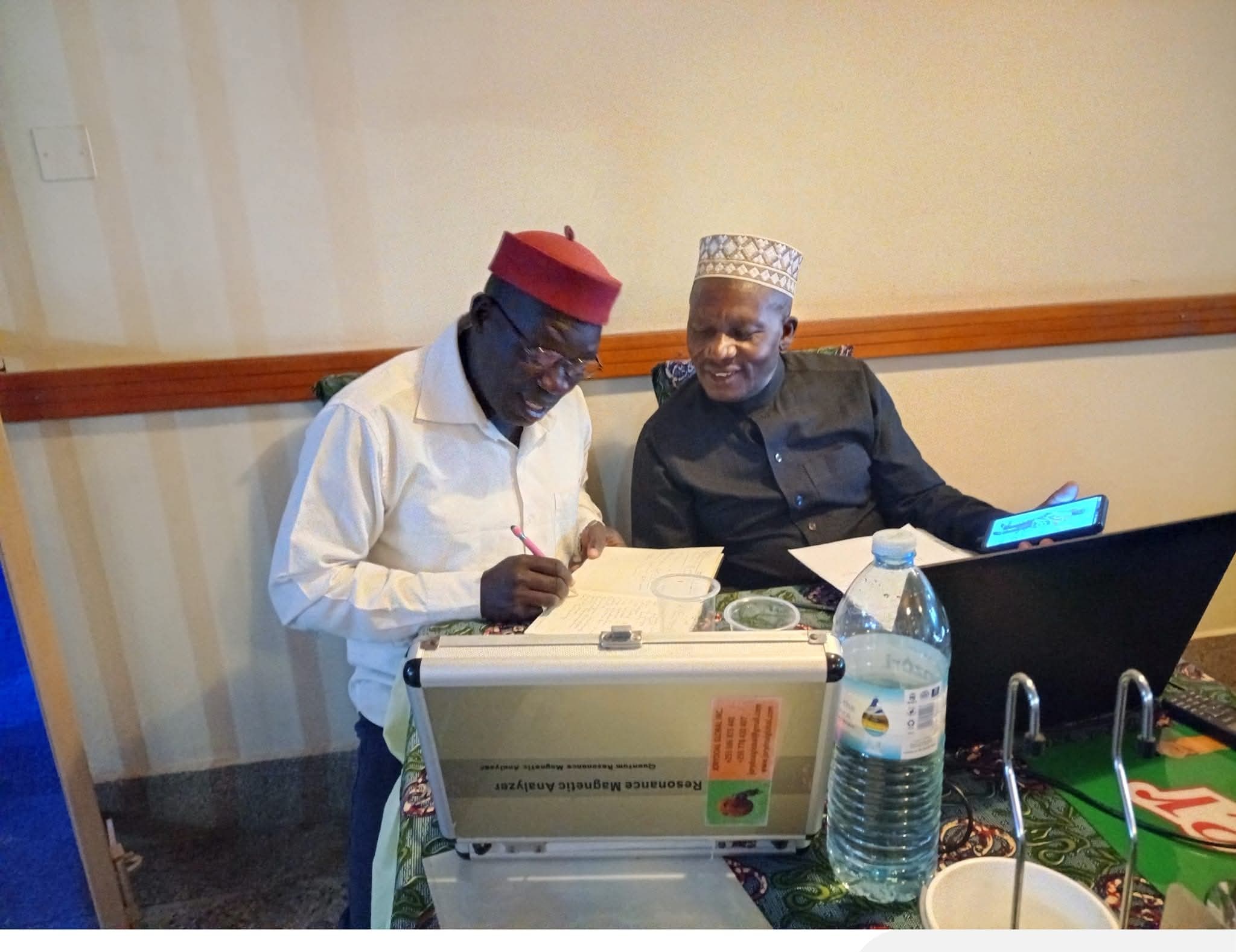
The Director of the Islamic Development Partnership Network, Mr. Draga Osman Brahan, held discussions with a Tanzanian medical doctor on strategies aimed at strengthening HIV prevention, awareness and community health interventions.
The engagement focused on exploring effective approaches for reducing the spread of HIV through increased community sensitisation, health education, early testing, prevention measures and improved access to accurate information about HIV and related health issues. The discussion highlighted the importance of combining medical expertise with community-based approaches to reach vulnerable populations and promote healthier communities.
During the discussion, Mr. Brahan emphasised the commitment of the Network to supporting public health initiatives through awareness campaigns, capacity building and partnerships with health professionals and institutions. He noted that prevention remains one of the most effective tools in the fight against HIV, especially when communities are empowered with the right knowledge and resources.
The Tanzanian doctor shared insights on successful approaches used in HIV prevention programmes, including promoting regular HIV testing, encouraging early medical support, addressing stigma and discrimination, and involving community leaders in creating awareness. The discussion also highlighted the importance of targeting different groups within communities with messages that are culturally appropriate, practical and easy to understand.
Both parties agreed that sustainable HIV prevention requires strong collaboration between healthcare providers, development organisations, local leaders and communities. They stressed that health education should go beyond awareness by encouraging individuals to take active responsibility for their health and support others in accessing care and prevention services.
The Director further noted that the Network is committed to integrating health awareness into its community development programmes, particularly in areas where access to information and health services remains limited. He emphasised that empowering communities with knowledge can help reduce new infections, improve health outcomes and promote dignity for people affected by HIV.
The meeting represents the Network's continued effort to build partnerships with health professionals and development stakeholders in order to design and implement programmes that address public health challenges.