
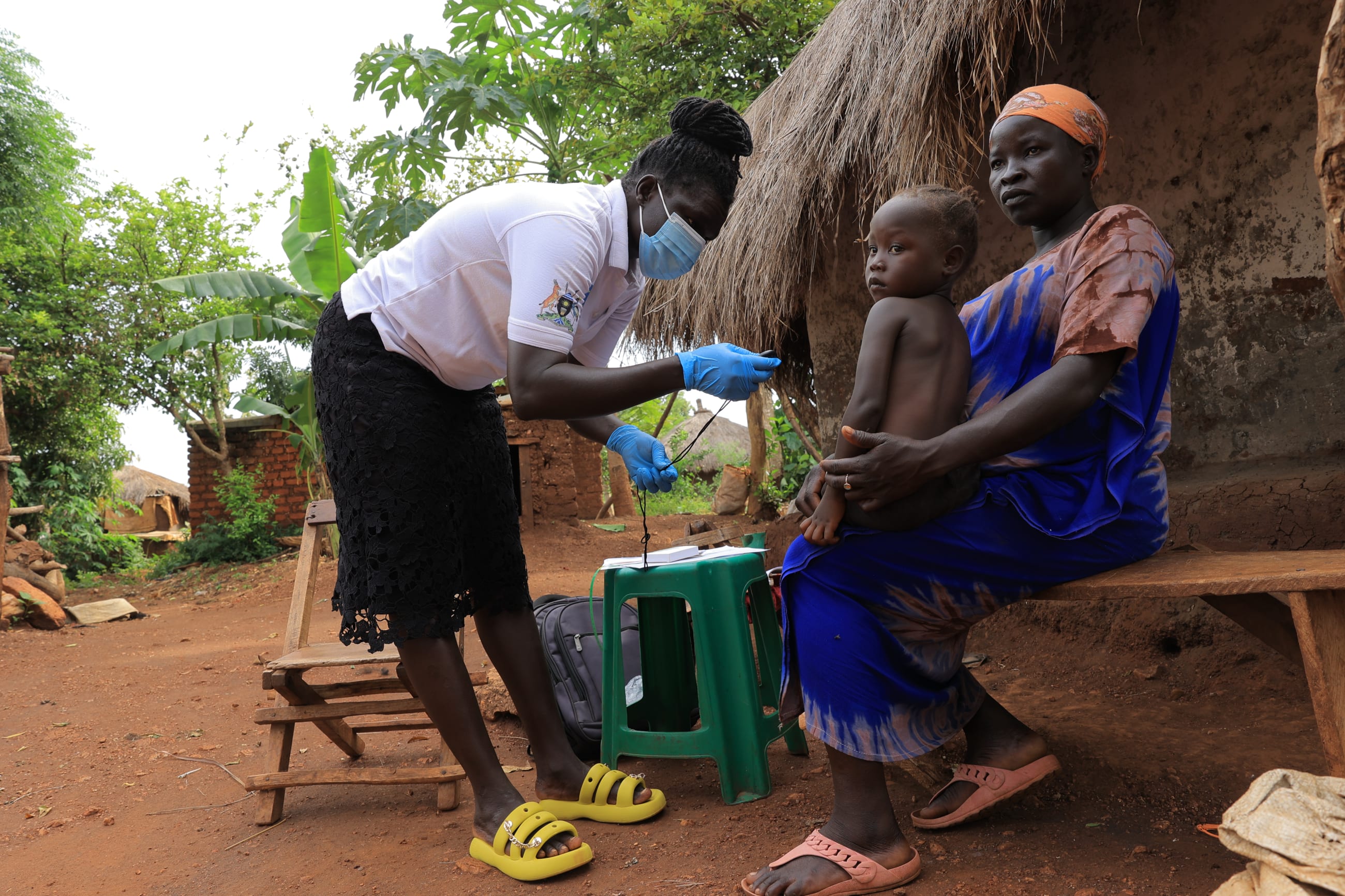
The gap between what is known to work and what is happening is where community health work belongs. Very little of it requires new science. Most of it requires the known things to reach households consistently.
Where the burden sits
In rural districts the recurring causes of illness and death are largely preventable:
- Diarrhoeal disease, from unsafe water, poor sanitation and unwashed hands. Hits children under five hardest.
- Malaria, year-round in most of Uganda.
- Respiratory infection, worsened by indoor smoke from cooking fires.
- Undernutrition, which rarely kills alone but makes every other illness more dangerous.
- Complications in pregnancy and childbirth, where distance to a facility and delay in deciding to go are the main risks.
- HIV, TB and hepatitis, where testing and staying on treatment are the decisive factors.
What actually shifts these
- Safe water and a latrine per household. The largest single reduction in childhood illness available.
- Handwashing at the critical moments, with a station where the moment happens.
- A treated bed net over every sleeping space, used every night, including in the dry season.
- Going early. Most bad outcomes involve delay, not absence of treatment.
- Antenatal attendance and a plan for delivery, including how the woman will get to the facility at night.
- Immunisation completed, not started and abandoned.
- Diverse diet, particularly for children under two and pregnant women.
Why "go early" is the hardest message
Delay usually has reasons: the cost of transport, uncertainty about whether it is serious, needing a husband's or elder's agreement, the facility being closed at night, or a previous bad experience there.
Telling people to come early does not remove any of those. What helps is a household discussion, before an emergency, about what counts as a danger sign, how transport will be arranged, and who can authorise it. Savings groups are a good place to have that conversation, because they meet regularly and can hold a small emergency fund.
Danger signs that always mean go now
In a child: unable to drink or feed, vomiting everything, convulsions, unusually sleepy or difficult to wake, fast or difficult breathing, blood in stool, or diarrhoea lasting more than a day in an infant.
In pregnancy: bleeding, severe headache with blurred vision, swelling of the face and hands, fever, reduced movement of the baby, waters breaking before term, or labour lasting too long.
In an adult: difficulty breathing, chest pain, confusion, a fever that does not respond, or any bleeding that will not stop.
This list is for recognising urgency, not diagnosing. Go to the health facility.
Work through structures that already exist
New committees created for a project usually stop when the project stops. Groups that already meet do not. Village health teams, savings groups, mothers' groups, mosque and church gatherings, school parent meetings and water user committees are all places where health information can be attached to something already happening.
What community organisations should not do
- Diagnose, prescribe or supply medicines.
- Advise anyone to stop treatment prescribed at a facility.
- Promise services they cannot sustain.
- Collect people's health information without consent and secure storage.
The useful role is prevention, recognition, referral, transport, and reducing the stigma that stops people going.
Nutrition in the first thousand days
From conception to a child's second birthday is when undernutrition does lasting damage. Exclusive breastfeeding for six months, then continued breastfeeding with varied complementary food, is the highest-value message in community health, and it costs nothing to deliver.
IDPN's Health Department, led by a registered nurse, runs community health education, testing promotion and referral in West Nile. Contact the office if a group in your area wants to work together on this.