
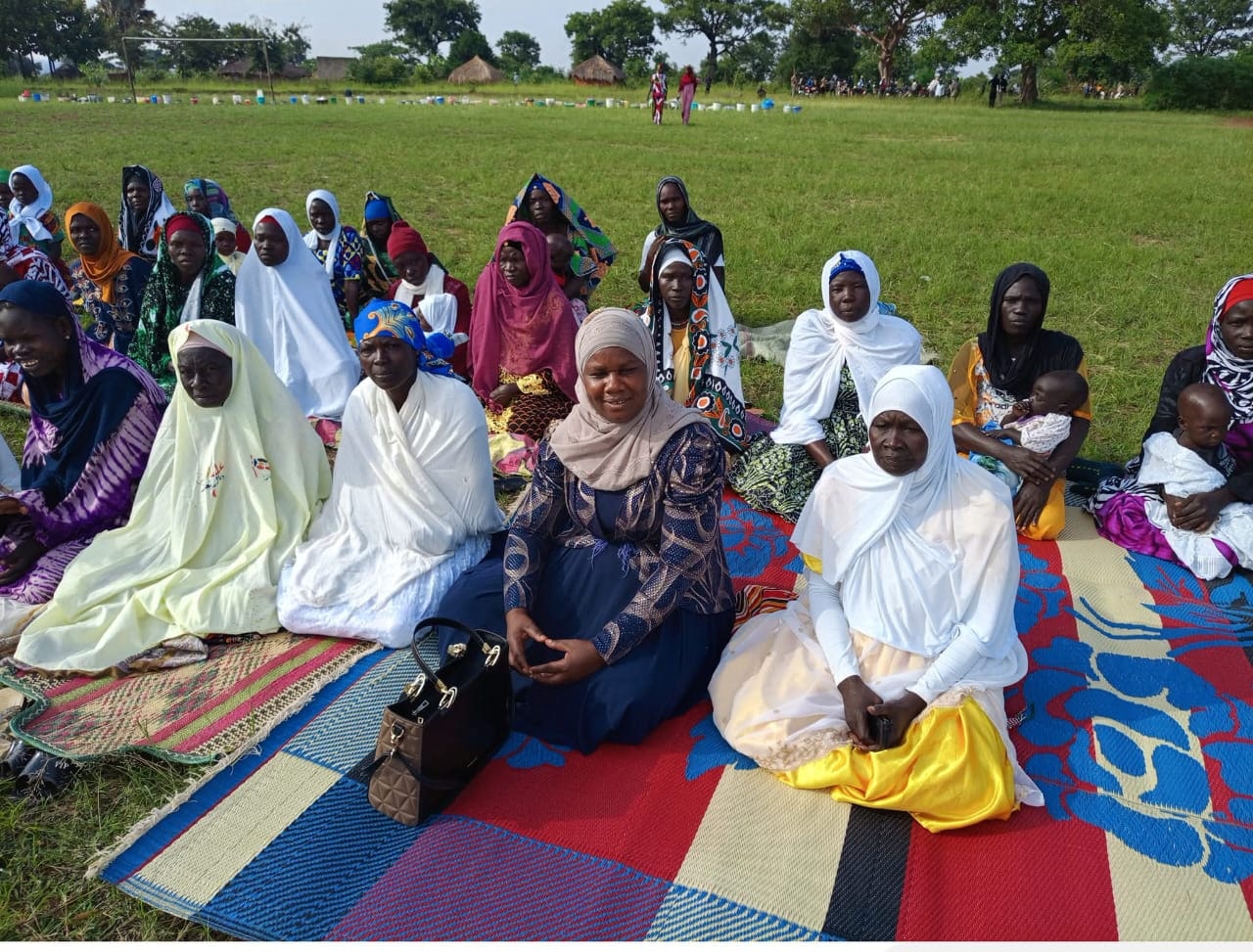
Domestic violence is common, under-reported, and frequently treated as a private family matter. Community organisations can change the second and third of those.
What it includes
Physical violence is the most recognised form, but it is not the only one. Domestic violence also covers sexual violence within a relationship, emotional abuse and threats, economic control such as denying a woman access to money or preventing her from working, and isolating someone from family and friends.
Naming the non-physical forms matters, because households where no one is being hit often do not recognise what is happening.
Uganda's legal position
Domestic violence is a criminal offence under the Domestic Violence Act. It is not a private matter, and a survivor has the right to report it to police, to seek a protection order from a magistrate, and to receive medical treatment. Local council leaders and community development officers also have roles.
Community members should know these routes exist. In practice most people do not, and that ignorance is one of the reasons violence continues.
Create a space where women can speak
Women's savings groups, mothers' groups and women's sessions at the mosque or church are where disclosure actually happens, because trust already exists and attendance is normal. A woman who would never attend a meeting about violence will attend her savings group.
What such a space needs: a regular meeting, an agreed rule that what is said stays there, at least one member who knows the referral routes, and no pressure on anyone to speak.
Engage men as participants, not targets
Programmes that address only women change what women know while leaving the behaviour unchanged. Programmes that address men as culprits produce defensiveness.
What works better is engaging men on the things they already care about: how households make decisions together, how children are affected by what they witness, how a household with two incomes and shared decisions does better financially. Male religious and community leaders who speak plainly against violence carry more weight in this than any outside organisation.
Know the referral routes before you need them
Every community group should be able to name, without looking it up:
- The nearest health facility that can treat injuries and provide post-rape care, including PEP within 72 hours.
- The police station and whether it has a child and family protection unit.
- The local council chairperson and the community development officer.
- Any legal aid or women's organisation operating in the district.
- Where someone can stay safely for a night.
Write these down and keep them with the group's records.
How should a group respond to a disclosure?
- Listen. Believe. Do not interrogate. Asking a survivor to justify what happened is itself harmful.
- Do not promise secrecy you cannot keep, particularly where a child is at risk.
- Give information, not instructions. Explain the options and let her decide. A woman who is pushed into reporting before she is ready may be at greater risk afterwards.
- Prioritise immediate safety. If there is danger now, that comes before everything.
- Mention the 72-hour window where there has been sexual violence, because it is time-critical.
- Do not confront the perpetrator on her behalf without her agreement. It frequently escalates.
- Follow up. One conversation is rarely enough.
Children who witness it
Children in violent households are affected whether or not they are struck. Watch for withdrawal, aggression, falling school attendance and unexplained injury, and know the child protection referral route.
What a community group must not do
Do not mediate between a survivor and a perpetrator as though the two positions are equivalent. Do not counsel a woman to stay for the sake of the family. Do not keep written records of individual cases without consent and secure storage. Do not attempt counselling without training.
IDPN runs community sensitisation on domestic violence prevention alongside health awareness in Yumbe District and West Nile. Contact the office if a group in your community wants to hold a session.