
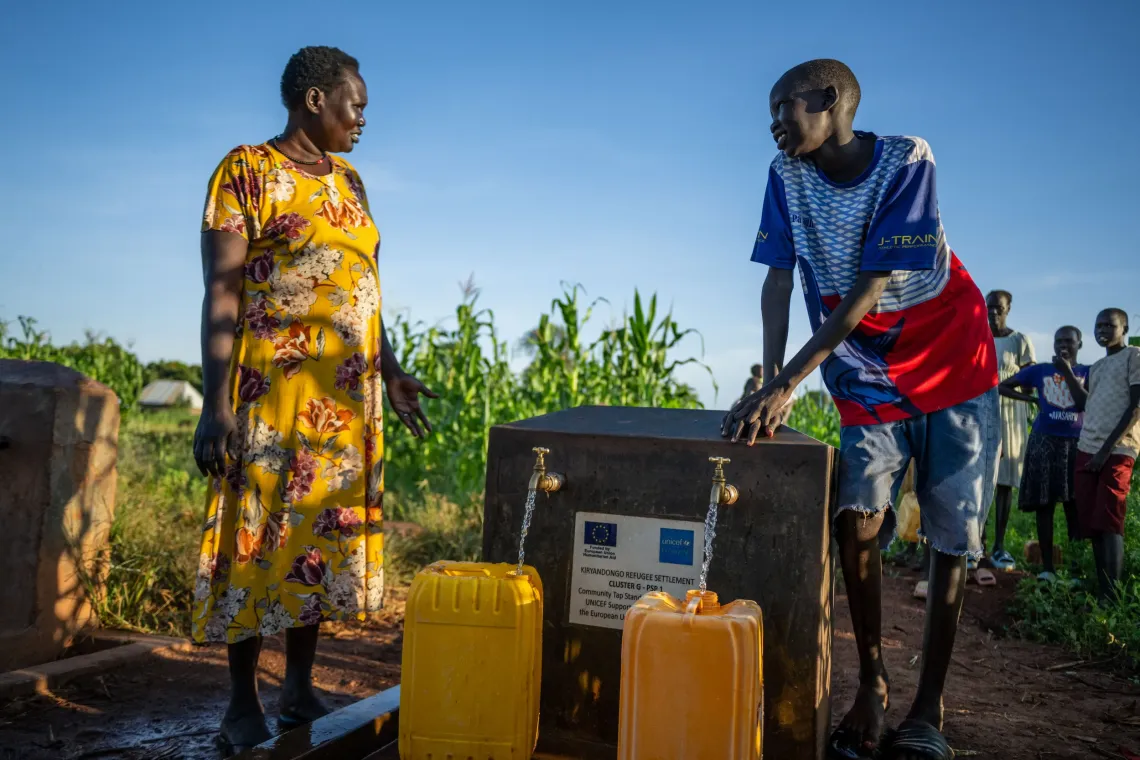
The hardest problem in rural water supply is not drilling. It is that a large share of hand pumps installed across sub-Saharan Africa stop working within a few years, and the reason is almost never the drilling.
The main sources, and what each is good for
Deep borehole with a hand pump. Draws from a protected aquifer, so the water is usually safe without treatment. The most reliable option where the geology allows. Requires a committee, a fund and access to spare parts.
Protected spring. Where a natural spring is capped and channelled through a pipe onto an apron. Cheap, no moving parts, very little to break. Only possible where a spring exists, and vulnerable to contamination from uphill activity.
Shallow hand-dug well. Cheap and community-buildable, but draws from shallow groundwater that is easily contaminated by latrines, animals and surface run-off. Needs a sealed lining, a headwall, a cover and a pump, and even then the water should be treated.
Rainwater harvesting. Roof, gutters, tank. Excellent supplementary supply and very good for schools and clinics with large roofs. Seasonal, so rarely a sole source.
Piped tapstand systems. Where a motorised or solar pump feeds a tank and several tapstands. Serves more people with less queueing, but has far more that can break and needs real technical capacity.
Open sources. Rivers, ponds, unprotected shallow holes. Should be treated as unsafe. Where they are the only option, household treatment is essential.
What makes water unsafe
- Faecal contamination, from latrines too close to the source, animals at the water point, or dirty collection containers. This is the main cause of diarrhoeal disease.
- Surface run-off entering the source after rain, particularly at unprotected wells.
- Contamination during transport and storage. Water can be safe at the pump and unsafe at home, from an unwashed jerrycan or a cup dipped in with dirty hands.
- Natural chemical content. Some areas have high iron, salinity or fluoride. This affects taste and health but is not fixed by boiling.
Because contamination often happens after collection, a safe source alone does not deliver safe drinking water. Storage and handling matter as much.
Siting a new water point
- At least 30 metres from any latrine, and uphill of it where there is any slope.
- Away from cattle routes, waste pits and graveyards.
- Within a reasonable walk for the households it serves, or they will keep using the closer unsafe source.
- On land with clear, uncontested ownership, agreed in writing before work begins.
That last point sinks more projects than hydrology does.
Why do so many hand pumps stop working?
Because the project funded the hardware and not the system. A pump that will still work in ten years needs four things in place from the day it is commissioned:
- A trained water user committee with named roles.
- A maintenance fund, collected regularly, held before it is needed.
- A trained mechanic within reach who has done the repair before.
- Spare parts genuinely available in the district, for the specific pump model installed.
Any one of these missing and the pump fails at the first significant breakdown. Ask about all four before accepting a donated water point.
How much should a household contribute?
Enough that the fund can cover a major repair without an appeal, collected monthly rather than after a breakdown. Committees that only collect when the pump breaks find that nobody pays, because the pump is already broken and people have gone back to the river.
What about water at mosques, schools and clinics
Institutions are good places for a water point because they have a roof for rainwater, a responsible body already in place, and a natural user group. They also concentrate risk: a school water point serving 600 children that breaks affects 600 children. Institutional water points need the same committee and fund discipline as community ones, not less.
IDPN's Muslim Projects department develops water sources for communities, mosques, schools and health facilities, and forms the committee before the source is handed over. Contact the office if your community is planning one.